Cart (0)
Close
Free Shipping
On All Orders Over $150
Same day shipping
On Most orders
Secure Shopping
Shop with Confidence




$34.00
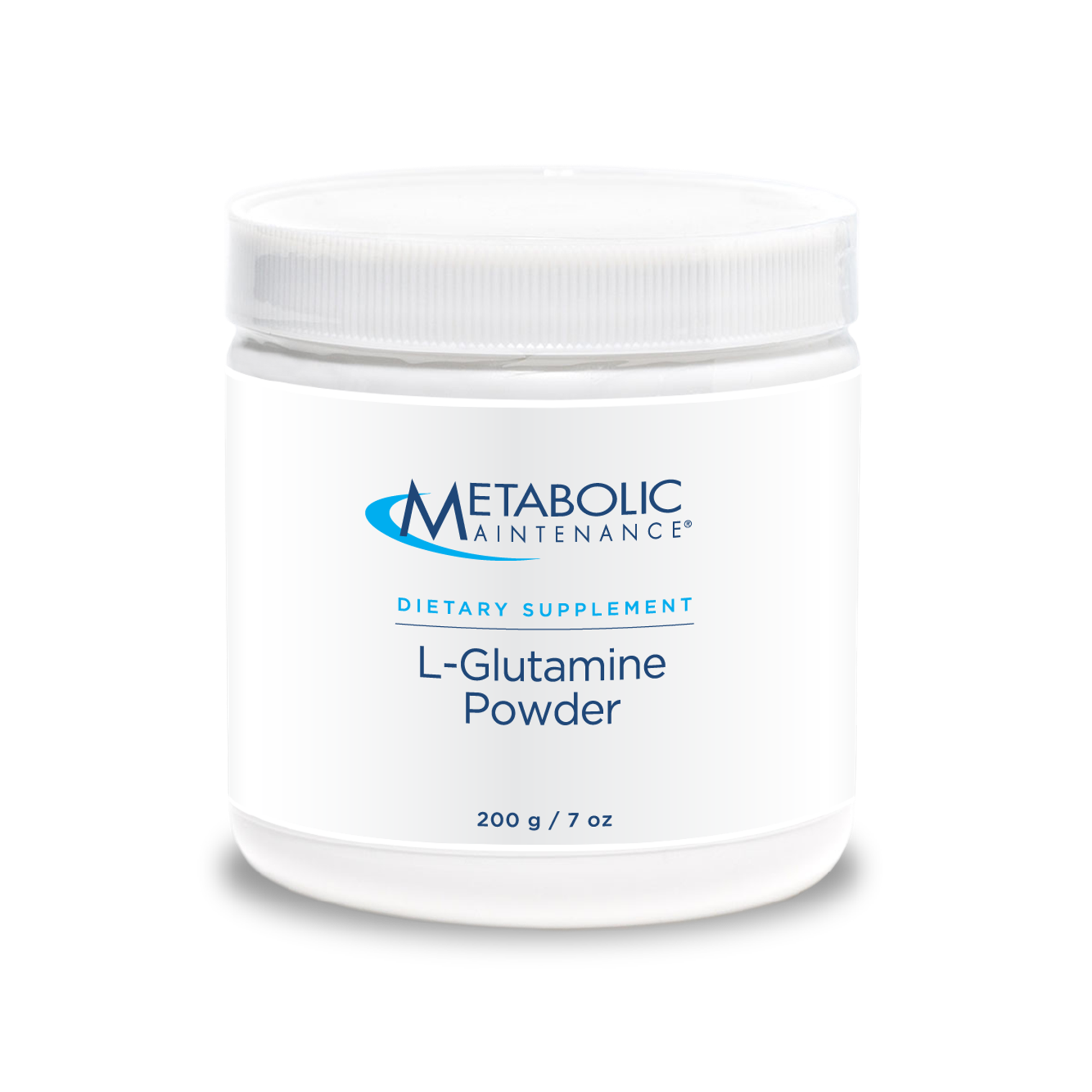
L-Glutamine, the most abundant amino acid in the body, is classified as conditionally essential. Under conditions of stress, trauma, and disease, the body cannot synthesize enough L-glutamine to meet physiological demands. A versatile amino acid, L-glutamine is important for acid-base balance, supplying nitrogen to muscles, protein synthesis, and energy production. L-Glutamine plays a major role in protecting the integrity of the intestinal tract, making it a mainstay in gut healing protocols.*
*These statements have not been evaluated by the Food & Drug Administration. These products are not intended to diagnose, treat, cure or prevent any disease.
What is L-Glutamine? L-Glutamine, the most abundant amino acid in the body, is classified as conditionally essential, and it can only be synthesized by some cell types under certain conditions[1]. It is an important constituent of proteins and plays essential roles in nitrogen transport to muscles, pH regulation, and gluconeogenesis. It is also a precursor for new nucleotides and the body’s “master antioxidant,” glutathione [1]. How does L-Glutamine Work? L-Glutamine is utilized at high rates by leukocytes (immune cells; particularly lymphocytes that cannot synthesize this amino acid) to provide energy and optimal conditions for nucleotide biosynthesis, therefore aiding in cell proliferation [1]. Under conditions of stress, trauma, and disease, the body cannot synthesize enough L-glutamine to meet physiological demands. Insufficient glutamine could result in fewer immune cells being produced in response to antigens and may impair immune defense to viral infection [1]. L-Glutamine is also highly important in other rapidly dividing cells, such as intestinal mucosa and bone marrow stem cells. The small intestine is the major organ of glutamine uptake and metabolism and plays an important role in the maintenance of whole-body glutamine homeostasis [2]. L-Glutamine has protein building effects and is used as a major fuel by cells of both the gut and the immune system [3]. L-Glutamine plays a major role in protecting the integrity of the intestinal tract, making it a mainstay in gut healing protocols. These effects may be particularly advantageous to patients healing from physical trauma, bone marrow transplant, those who exhibit body protein wasting, immunodeficiency, mucositis, or gut mucosal injury [4]. There is a strong body of evidence to support the association between L-glutamine supplementation, improved wound healing, and reduced hospital stays for those healing from burns, injury, and surgery [2, 4]. What are the Suggested Uses for L-Glutamine?
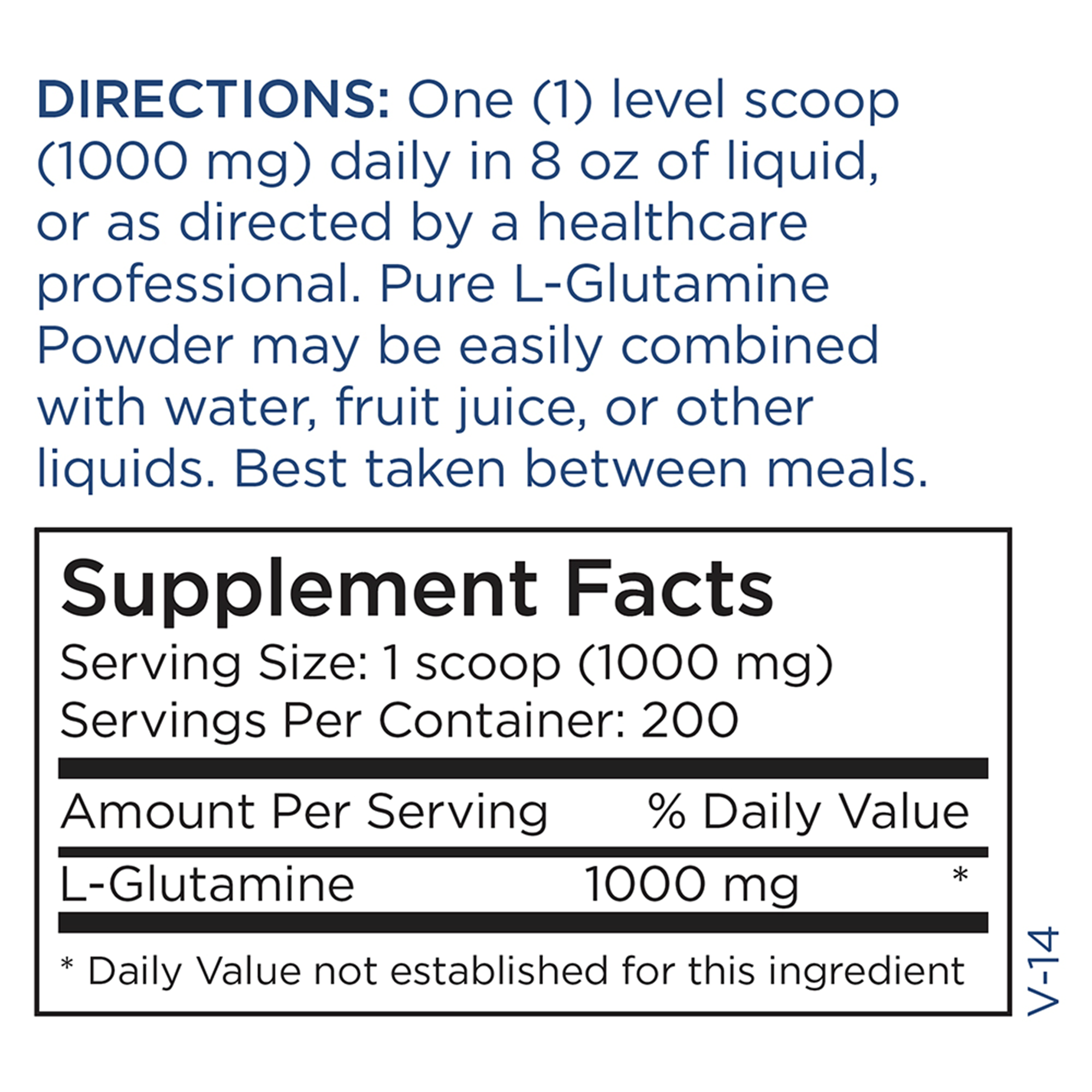
Source Materials: L-glutamine is made by fermentation of glucose. Vegan and non-GMO. Allergens: According to information provided by our suppliers, these capsules are free of the eight major allergens as identified by the Food Allergen Labeling and Consumer Protection Act of 2004 (FALCPA): Wheat (gluten), eggs, milk, soybeans, shellfish, fish, peanuts, tree nuts. Recommendations: Use as directed by a healthcare professional. Precautions: Pregnant or lactating women and individuals taking prescription medications should consult with a healthcare professional before taking any supplement.
*This product is not intended to diagnose, treat or cure any illness or disease. The content and recommendations contained on this website have not been reviewed by the U.S. Food and Drug Administration (FDA) and are solely the opinion of the authors. Content contained on this website is not a substitute for professional medical advice, diagnosis or treatment. Never increase, reduce or discontinue any medication or treatment without first consulting your doctor.*
$34.00
Subscribe to our contact list and receive a coupon code for 10% OFF your first online order! We promise not to abuse your inbox.